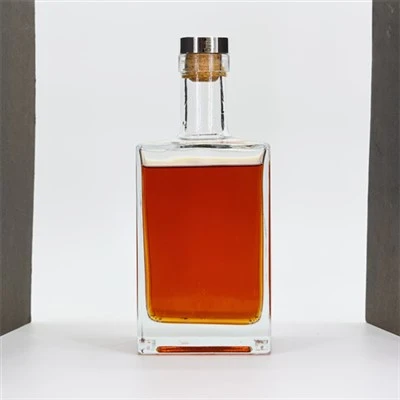
When it comes to the world of whisky, the bottle is more than just a container; it's a statement of quality and authenticity. As a seasoned whisky bottle supplier, I've witnessed firsthand how the quality of the bottle can significantly impact the overall perception and value of the whisky inside. In this blog, I'll share my insights on how to tell the quality of a whisky bottle, covering aspects from the material and construction to the design and branding.
Material Quality
The first step in assessing a whisky bottle's quality is to examine the material from which it's made. Glass is the most common material for whisky bottles, and its quality can vary widely. High - quality glass should be clear and free from any visible impurities or air bubbles. These defects not only affect the aesthetics of the bottle but can also indicate a lower manufacturing standard.
Thicker glass is generally an indicator of better quality. A thick - walled bottle provides better protection for the whisky inside, preventing it from being affected by changes in temperature and light. It also gives the bottle a more substantial and luxurious feel when held. For example, the Pot Still Neck Heavy Base Whiskey Bottle is crafted from thick, high - quality glass that not only protects the whisky but also adds to the bottle's elegance with its unique shape and heavy base.
Another aspect of glass quality is its resistance to scratching and chipping. A good whisky bottle should maintain its pristine appearance over time, even with regular handling. Some high - end bottles may use tempered or strengthened glass, which offers enhanced durability.
Construction and Finish
The construction of the whisky bottle is equally important as the material. A well - made bottle should have smooth seams and a uniform shape. Rough or uneven seams can be a sign of poor manufacturing processes. Additionally, the neck of the bottle should be properly finished, with a smooth opening that allows for easy pouring without spillage.
The mouth of the bottle also matters. A well - finished mouth ensures a good seal with the stopper or cap, preventing the whisky from evaporating or being contaminated. For instance, the 750ml Vintage Embossed Lion Crest Glass Whiskey Bottle With Stopper has a precisely crafted mouth that fits snugly with its stopper, keeping the whisky fresh for a longer time.
The base of the bottle is another critical area. A sturdy base provides stability and prevents the bottle from tipping over easily. Some high - quality bottles have a heavy, weighted base, which not only adds to the bottle's stability but also gives it a more premium feel.
Design and Aesthetics
The design of a whisky bottle plays a crucial role in its perceived quality. A well - thought - out design can enhance the brand image of the whisky and make it more appealing to consumers.
First, consider the shape of the bottle. Unique and distinctive shapes are often associated with high - end whiskies. For example, the Premium Square Oval Whiskey Bottle has a modern and eye - catching shape that sets it apart from traditional round or rectangular bottles. The shape not only makes the bottle more visually interesting but also reflects the innovation and quality of the whisky inside.
Embossing and labeling also contribute to the aesthetics and quality of the bottle. High - quality bottles often feature detailed embossing, which adds a sense of luxury and craftsmanship. The labels should be well - printed, with sharp and clear images and text. The use of high - quality materials for the labels, such as foil or embossed paper, can further enhance the overall look of the bottle.
Branding and Packaging
The branding elements on a whisky bottle can provide valuable clues about its quality. A reputable whisky brand will typically invest in high - quality branding on the bottle. This includes a well - designed logo, clear and concise product information, and consistent color schemes.


The packaging that accompanies the whisky bottle is also an important consideration. A premium whisky is often presented in a high - quality box or case. The packaging should be well - constructed, with proper padding to protect the bottle during transportation and storage. It should also be designed to enhance the overall brand experience, with attention to detail in terms of materials and finishes.
Functionality
Finally, the functionality of the whisky bottle should not be overlooked. A good whisky bottle should be easy to handle, pour, and store. The shape and size of the bottle should be ergonomic, allowing for a comfortable grip. It should also be easy to pour the whisky without making a mess, and the capacity should be appropriate for the intended use.
For example, the Classic 750ml Rectangular Square Glass Whisky Bottle is designed with practicality in mind. Its rectangular shape makes it easy to stack and store, while the 750ml capacity is a standard size that is widely recognized and convenient for consumers.
Conclusion
As a whisky bottle supplier, I understand the importance of providing high - quality bottles that meet the diverse needs of whisky producers. Assessing the quality of a whisky bottle involves considering multiple factors, including the material, construction, design, branding, and functionality.
If you're in the market for top - notch whisky bottles to elevate your brand, I invite you to explore our extensive range of products. We offer a variety of options, such as the Classic Cylindrical Spirit Glass Bottle Series, which combines timeless design with superior quality. Whether you're a small - batch distiller or a large - scale producer, our bottles are designed to enhance the presentation and value of your whisky.
Feel free to reach out to us for a detailed discussion about your specific requirements. Let's work together to find the perfect whisky bottles that will make your product stand out in the competitive market.
References
- Jackson, M. (2007). The World Atlas of Whisky. Mitchell Beazley.
- Jeffery, I. (2014). Scotch Whisky: The Definitive Guide. Constable & Robinson.