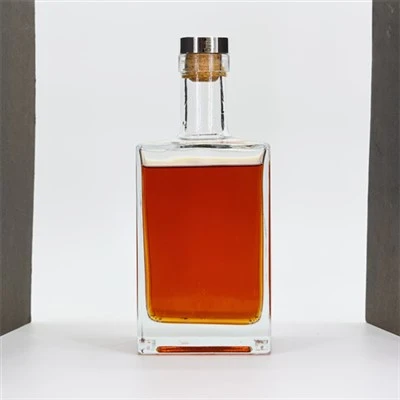
Is it possible to repair broken glassware?
As a glassware supplier, I often encounter customers who are heartbroken when their beloved glass items break. Whether it's a cherished 3D Skull Head Glass Spirit Bottle or a Glossy Black Custom Wine Glass Bottle, the question that frequently arises is: Is it possible to repair broken glassware?
Understanding the Nature of Glass
Glass is a unique material. It is hard, brittle, and has a relatively high melting point. When glass breaks, it fractures along sharp edges, and the pieces can be quite delicate. The structure of glass is amorphous, which means it lacks a regular crystalline structure. This makes it both beautiful in its transparency and smoothness but also prone to breakage under stress.
There are different types of glass used in glassware, such as soda - lime glass, borosilicate glass, and lead glass. Each type has its own properties, which can affect the repair process. For example, borosilicate glass is more heat - resistant and has a lower coefficient of thermal expansion compared to soda - lime glass. This means that repairs on borosilicate glass may require different techniques to account for its unique characteristics.
Methods of Repairing Broken Glassware
Adhesive Bonding
One of the most common methods of repairing glassware is using adhesives. There are special glass adhesives available in the market that are designed to bond glass pieces together. These adhesives work by creating a strong chemical bond between the broken surfaces.
To use an adhesive for glass repair, the first step is to clean the broken pieces thoroughly. Any dirt, dust, or grease can prevent the adhesive from bonding properly. Once the pieces are clean, the adhesive is carefully applied to the broken edges. The pieces are then pressed together firmly and held in place until the adhesive cures.
However, adhesive bonding has its limitations. The repair may not be completely invisible, and the strength of the bond may be less than that of the original glass. Also, the repaired area may be more prone to breaking again if subjected to stress.
Glass Welding
Glass welding is a more advanced technique for repairing glassware. It involves heating the broken edges of the glass until they reach a molten state and then fusing them together. This method requires specialized equipment, such as a glass torch or a furnace.
A skilled glassworker can use a glass torch to apply intense heat to the broken edges. As the glass melts, the pieces are carefully brought together and manipulated to create a seamless joint. Glass welding can produce a very strong repair, and in some cases, the repaired area can be almost indistinguishable from the original glass.
But glass welding is a highly specialized skill that requires training and experience. It is also a time - consuming and expensive process, especially for small or delicate glassware.
Factors Affecting the Repairability of Glassware
Type and Extent of Damage
The type of damage is a crucial factor in determining whether glassware can be repaired. Minor chips or cracks may be relatively easy to fix, while shattered glassware may be beyond repair. For example, a small chip on the rim of a Luxury Ridge Brandy Glass Bottle can often be removed or smoothed out using a glass grinder and then polished. On the other hand, if the glassware has broken into many small pieces, it may be impossible to piece them all back together.
Age and Quality of the Glassware
Older glassware may have unique properties or be more fragile, which can make repair more challenging. Some antique glassware may have been made using traditional techniques that are difficult to replicate. Additionally, the quality of the glass can affect its repairability. High - quality glass may be more likely to withstand the repair process without further damage.
Practical Considerations for Glassware Repairs
Cost - Benefit Analysis
When considering repairing broken glassware, it's important to conduct a cost - benefit analysis. The cost of repair, including the cost of materials and labor, may sometimes exceed the value of the glassware. For example, repairing a cheap Double Glass Coffee Mugs using an expensive glass welding technique may not be cost - effective.
Aesthetic Considerations
Even if the glassware can be repaired, the aesthetic appearance may be affected. A repaired area may have a slightly different color or texture compared to the rest of the glass. This may be acceptable for some types of glassware, but for decorative or high - end pieces, it may detracted from their value.
As a Glassware Supplier
As a glassware supplier, I understand the emotional attachment that customers may have to their glass items. That's why I offer some resources and advice on glassware repairs. While I don't provide repair services directly, I can recommend professional glass repair artists who have the skills and experience to handle different types of glassware.
In addition to offering repair advice, I also have a wide range of high - quality glassware products available. Whether you're looking for a unique 3D Skull Head Glass Spirit Bottle for a special occasion or a set of elegant Vintage Fruit Plates for your dining table, I can provide you with options that meet your needs.
If you're in the market for glassware or have questions about glassware repairs, I encourage you to reach out. I'm always happy to assist you in finding the perfect glassware products or helping you explore repair options. Feel free to start a conversation about potential purchases or to discuss any concerns you may have about glassware.


References
- "The Science of Glass" by Tom Elston.
- "Glass Handbook: Properties and Applications" edited by John B. Wachtman.
- "Guide to Glassware Repair" by Glass Art Association.