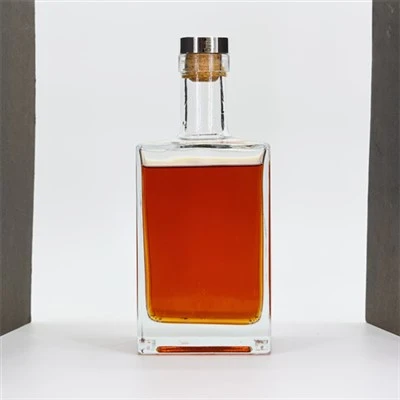
As a supplier of empty whisky bottles, one of the most frequent questions I encounter is, "What's the best way to transport an empty whisky bottle?" This seemingly simple query actually involves a complex interplay of factors, including the bottle's design, the distance of transportation, and the environmental conditions. In this blog, I'll share my insights and experiences to help you find the optimal solution for transporting these delicate glass containers.
Understanding the Bottles
Before delving into the transportation methods, it's crucial to understand the different types of empty whisky bottles we offer. Each design has its unique characteristics that can influence the transportation process. For instance, the Rectangular Glass Spirit Bottle With Stopper is known for its sleek and modern appearance, but its flat surfaces may require extra care to prevent scratching. On the other hand, the Conical Ribbed Glass Spirit Bottle has a more distinctive shape, which can add to its stability but also make it more challenging to pack efficiently.
Another popular option is the Green Gradient Square Glass Bottle, which not only looks elegant but also provides good protection for the whisky. Its square shape allows for more efficient packing, but the glass may be more prone to chipping if not handled properly. The Pot Still Neck Heavy Base Whiskey Bottle is designed to mimic the traditional pot still, with a heavy base that provides stability. However, its unique shape may require custom packaging to ensure safe transportation. Finally, the 750ml Rectangular Flat Glass Spirit Bottle With Screw Top is a practical choice for those looking for a simple and easy-to-transport option.
Factors Affecting Transportation
Several factors can impact the best way to transport an empty whisky bottle. One of the most important is the distance of transportation. For short distances, such as local deliveries, you may be able to use a simple cardboard box with some padding to protect the bottles. However, for longer distances, especially international shipments, you'll need to take extra precautions to ensure the bottles arrive safely.
Another factor to consider is the environmental conditions during transportation. Extreme temperatures, humidity, and vibrations can all damage the bottles. For example, if the bottles are exposed to high temperatures for an extended period, the glass may expand and crack. Similarly, excessive humidity can cause the labels to peel off or the corks to mold. To mitigate these risks, it's important to choose a transportation method that provides adequate protection against these environmental factors.
The mode of transportation is also a crucial factor. Whether you're using a truck, a plane, or a ship, each mode has its own advantages and disadvantages. Trucks are a popular choice for local and regional deliveries because they offer flexibility and can deliver the bottles directly to the destination. However, they may be more susceptible to traffic delays and rough roads, which can increase the risk of damage. Planes are a fast and reliable option for long-distance shipments, but they can be more expensive and may have restrictions on the size and weight of the packages. Ships are a cost-effective option for international shipments, but the journey can be long and the conditions on board can be harsh.
Best Practices for Transportation
Based on my experience as an empty whisky bottle supplier, here are some best practices for transporting these delicate items:
- Choose the Right Packaging: The packaging is the first line of defense against damage during transportation. Use high-quality cardboard boxes that are specifically designed for glass bottles. Make sure the boxes are the right size for the bottles and have enough padding to prevent them from moving around. You can use materials such as bubble wrap, foam peanuts, or crumpled paper to provide cushioning.
- Secure the Bottles: Once the bottles are in the box, make sure they are properly secured. You can use dividers or cardboard partitions to separate the bottles and prevent them from touching each other. This will reduce the risk of breakage if the box is jostled during transportation. Additionally, you can use tape or strapping to seal the box and ensure it stays closed.
- Label the Packages: Clearly label the packages as "Fragile" and "Handle with Care" to alert the transportation staff to the delicate nature of the contents. You should also include your contact information and the destination address on the label to ensure the packages are delivered to the right place.
- Choose a Reliable Carrier: Select a reputable carrier that has experience in transporting glass items. Look for carriers that offer insurance options to protect your shipment in case of damage or loss. You can also read reviews and ratings from other customers to get an idea of the carrier's reliability.
- Monitor the Shipment: Stay informed about the status of your shipment by tracking it online. Most carriers provide tracking information that allows you to see where your packages are and when they are expected to arrive. If you notice any delays or issues, contact the carrier immediately to address them.
Conclusion
Transporting an empty whisky bottle requires careful planning and attention to detail. By understanding the different types of bottles, the factors that can affect transportation, and the best practices for packaging and shipping, you can ensure that your bottles arrive at their destination safely and in good condition.


As a leading supplier of empty whisky bottles, we are committed to providing our customers with high-quality products and excellent service. If you have any questions about transporting our bottles or would like to discuss your specific needs, please don't hesitate to contact us. We look forward to working with you to find the best solution for your business.
References
- Packaging and Shipping Guidelines for Glass Products. [Publisher's Name], [Year].
- Best Practices for Transporting Fragile Items. [Publisher's Name], [Year].
- Shipping Regulations for Alcoholic Beverage Containers. [Publisher's Name], [Year].