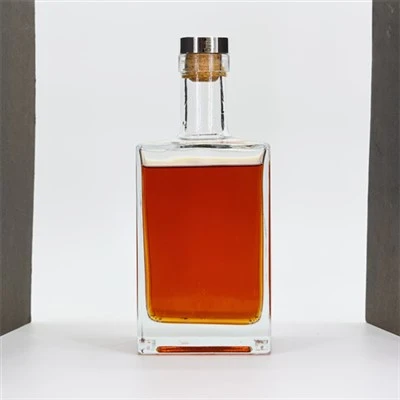
As a seasoned supplier of green glass bottles, I've witnessed firsthand the growing demand for these sustainable and aesthetically pleasing containers. In this blog, I'll delve into the design features that make green glass bottles a top choice for various industries, from beverage manufacturers to high-end perfumeries.
Material and Composition
The core of any green glass bottle lies in its material. Green glass is primarily made from silica sand, soda ash, and limestone. What gives it that distinctive green hue is the presence of iron oxide and sometimes chromium. These natural additives not only provide the color but also enhance the bottle's durability.
The chemical composition of green glass makes it resistant to corrosion and breakage compared to other materials. It can withstand a wide range of temperatures, making it suitable for both hot-filling and cold storage applications. For instance, in the beverage industry, green glass bottles can be filled with carbonated drinks under high pressure without the risk of distortion or leakage.
Color and Its Advantages
The green color of the glass is not just for aesthetics; it serves important functional purposes. One of the key benefits is its ability to block out certain wavelengths of light, particularly ultraviolet (UV) light. This is crucial for products that are sensitive to light, such as wine, beer, and essential oils. UV light can cause chemical reactions in these products, leading to changes in flavor, aroma, and quality.
Green glass acts as a natural barrier, protecting the contents from light damage and extending their shelf life. For example, wine stored in Dark Green Glass Bottle is less likely to develop off-flavors due to light exposure. The darker the green shade, the better the protection, which is why many premium wines are packaged in deep green glass bottles.


Shape and Design
The shape of a green glass bottle is carefully crafted to meet the needs of both the product and the consumer. There are various shapes available, each with its own unique advantages.
- Cylindrical Shape: This is one of the most common shapes for green glass bottles. It is easy to hold and stack, making it ideal for mass production and storage. Cylindrical bottles are often used for beverages like water, juice, and soft drinks. They also provide a large surface area for labeling, allowing brands to showcase their products effectively.
- Contoured Shape: Some green glass bottles have a contoured or tapered design. This shape not only adds a touch of elegance but also makes the bottle more ergonomic to hold. Contoured bottles are commonly used for premium spirits and perfumes, as they enhance the overall user experience and give a sense of luxury.
- Specialty Shapes: In addition to the standard shapes, there are also specialty green glass bottles designed for specific products. For example, some bottles have a unique neck shape to accommodate a particular type of closure or dispenser. Others may have a decorative pattern or embossing to make the product stand out on the shelf.
Closure and Sealing
The closure and sealing mechanism of a green glass bottle are crucial for maintaining the quality and freshness of the contents. There are several types of closures available, each with its own advantages.
- Cork Stoppers: Cork is a traditional and popular choice for wine bottles. It is a natural material that allows the wine to breathe slightly, which can enhance its flavor development over time. Cork stoppers also provide an airtight seal, preventing oxygen from entering the bottle and causing spoilage.
- Screw Caps: Screw caps are a modern alternative to cork stoppers. They are easy to open and close, and they provide a reliable seal. Screw caps are commonly used for everyday wines, as well as for other beverages like beer and juice.
- Snap-On Lids: Snap-on lids are a convenient option for products that need to be accessed frequently. They are often used for bottles of sauces, condiments, and cosmetics. Snap-on lids provide a tight seal to prevent leakage and keep the contents fresh.
Sustainability
In today's environmentally conscious world, sustainability is a key consideration for many consumers and businesses. Green glass bottles are an excellent choice from a sustainability perspective.
- Recyclability: Glass is 100% recyclable, which means it can be recycled indefinitely without losing its quality or purity. Recycling green glass bottles reduces the demand for raw materials and energy consumption, making it a more sustainable option compared to single-use plastic containers.
- Longevity: Green glass bottles are durable and can be reused multiple times. This reduces waste and helps to minimize the environmental impact of packaging. For example, many breweries offer refillable green glass bottles, which encourages consumers to reduce their use of disposable packaging.
- Reduced Carbon Footprint: The production of green glass bottles requires less energy compared to other materials like plastic and aluminum. This results in a lower carbon footprint, making green glass a more environmentally friendly choice.
Customization Options
As a green glass bottle supplier, I understand the importance of customization. Every brand has its own unique identity and requirements, and I offer a wide range of customization options to meet these needs.
- Labeling: I can provide custom labeling services, including printing, embossing, and debossing. This allows brands to showcase their logo, product information, and branding elements on the bottle.
- Color Matching: I can match the green color of the glass to a specific Pantone color or brand color. This ensures that the bottle's color is consistent with the brand's visual identity.
- Shape and Size: I can manufacture green glass bottles in a variety of shapes and sizes to meet the specific requirements of the product. Whether it's a small sample bottle or a large 700ml Green Glass Bottle, I can customize the bottle to fit the product perfectly.
Applications
Green glass bottles are used in a wide range of industries, including:
- Beverage Industry: Green glass bottles are commonly used for packaging wine, beer, spirits, juice, and water. The color and durability of the glass make it an ideal choice for protecting the flavor and quality of these products.
- Cosmetics and Personal Care Industry: Green glass bottles are often used for packaging perfumes, essential oils, lotions, and creams. The elegant and luxurious appearance of the glass adds value to the product and enhances the customer experience.
- Food Industry: Green glass bottles are used for packaging sauces, condiments, jams, and preserves. The airtight seal and light protection provided by the glass help to maintain the freshness and quality of the food.
- Pharmaceutical Industry: Green glass bottles are used for packaging medications, vitamins, and supplements. The chemical resistance and light protection of the glass ensure the stability and effectiveness of the drugs.
Conclusion
In conclusion, green glass bottles offer a unique combination of functionality, aesthetics, and sustainability. Their design features, such as color, shape, closure, and customization options, make them a versatile choice for a wide range of industries. As a green glass bottle supplier, I am committed to providing high-quality products that meet the needs of my customers.
If you're in the market for green glass bottles for your product, I'd love to discuss your requirements and provide you with a customized solution. Whether you're a small startup or a large corporation, I have the expertise and resources to help you find the perfect bottle for your brand. Contact me today to start the conversation and take your product to the next level.
References
- "Encyclopedia of Packaging Technology." Second Edition, edited by Wilmer A. Jenkins, James P. Harrington, and John A. Roberts. Wiley-Interscience, 1997.
- "Handbook of Packaging Materials: Properties, Processing, Applications, and Regulations." Edited by Rosato's Plastics Encyclopedia and Dictionary. Springer, 2016.
- "Packaging for Food Products: Principles and Practice." Second Edition, by Yanyun Zhao, D. Crawford, and N. Singh. Wiley-Blackwell, 2014.