Hey there, wine enthusiasts! As a proud supplier of Green Bottle Wine, I'm stoked to take you on a deep - dive into the winemaking techniques that go into creating our amazing libations.
Let's start from the very beginning, the grape selection. We're super picky about the grapes we use for Green Bottle Wine. We source our grapes from some of the most prestigious vineyards around the globe. Each region has its unique climate, soil type, and topography, which all play a huge role in the flavor profile of the grapes. For example, grapes grown in cooler climates tend to have higher acidity, while those from warmer regions are often richer in sugar.
Once we've got our hands on the perfect grapes, it's time for harvesting. We usually do this by hand. Why? Well, hand - harvesting is a slower process, but it allows us to be more selective. We can pick only the ripest and healthiest grapes, leaving behind any damaged or under - ripe ones. This ensures that we start the winemaking process with the best possible raw material.
After harvesting, it's onto crushing and pressing. In the old days, people used to crush grapes with their feet. While that's a romantic image, we've moved on to more modern methods. We use gentle crushers that break the grape skins without damaging the seeds. The crushed grapes are then pressed to extract the juice. The type of press we use can have a big impact on the final wine. We often opt for a pneumatic press, which uses air pressure to gently squeeze the juice out of the grapes. This helps to preserve the delicate flavors and aromas in the juice.
Now, let's talk about fermentation. This is the magic part where grape juice turns into wine. We have two main types of fermentation for Green Bottle Wine: primary and malolactic. Primary fermentation is where yeast eats the sugar in the grape juice and turns it into alcohol. We carefully control the temperature during this process. If it's too warm, the yeast can work too quickly and produce off - flavors. Too cold, and the fermentation might stop prematurely.
After primary fermentation, we might go for malolactic fermentation. This isn't always necessary, but it can really enhance the wine's flavor and texture. During malolactic fermentation, bacteria convert harsh malic acid into softer lactic acid. This gives the wine a creamier mouthfeel and can add some nice buttery or nutty flavors.
Once fermentation is done, it's time for aging. Aging can take place in different vessels. For some of our Green Bottle Wines, we use oak barrels. Oak imparts some wonderful flavors to the wine, like vanilla, spice, and toast. It also allows a little bit of oxygen to interact with the wine, which can help to soften the tannins and develop more complex flavors. Other wines might be aged in stainless - steel tanks. Stainless - steel is great for preserving the fresh, fruity flavors of the wine and is a popular choice for lighter - bodied wines.
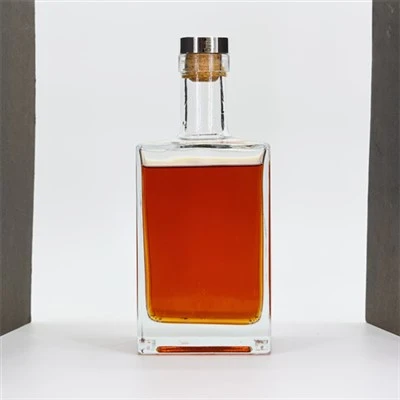
Now, I want to touch on a topic that's closely related to our Green Bottle Wine: the bottles themselves. We use a range of green glass bottles for our wines. You can check out some of our options here: Green Colour Liquor Bottle, Dark Green Glass Bottle, and Green Decorative Bottles. Green glass is really cool because it helps to protect the wine from sunlight. Sunlight can damage the wine and cause it to develop off - flavors. The green tint in the glass acts as a filter, blocking out the harmful UV rays.
After aging, we do some blending and fining. Blending is like an art form. We mix different batches of wine together to create a well - balanced final product. Maybe one batch has great fruit flavors, while another has more structure. By blending them, we can get the best of both worlds. Fining is a process where we add substances to the wine to remove any impurities or unwanted particles. This helps to clarify the wine and make it look and taste better.
Finally, it's bottling time! We fill our beautiful green bottles with the finished wine, cork them up, and label them. And then, our Green Bottle Wine is ready to be shipped out to wine lovers all over the place.
At the end of the day, all these winemaking techniques are aimed at creating a wine that's delicious, well - balanced, and unique. We put a lot of love and care into every step of the process. Whether you're a casual wine drinker or a serious connoisseur, we're sure you'll find something to love in our Green Bottle Wine collection.


If you're interested in purchasing our Green Bottle Wine for your store, restaurant, or just for personal enjoyment, I'd love to have a chat with you. Get in touch with us to start a conversation about your wine needs. We're always open to discussing different purchasing options and finding the best solution for you.
References
- "The Oxford Companion to Wine" by Jancis Robinson
- "Wine Science: Principles, Practices, Perceptions" by Ronald S. Jackson